Jamieson Wolf
Aurora Award Nominated Author
Poker Symptoms – A Poem
The room was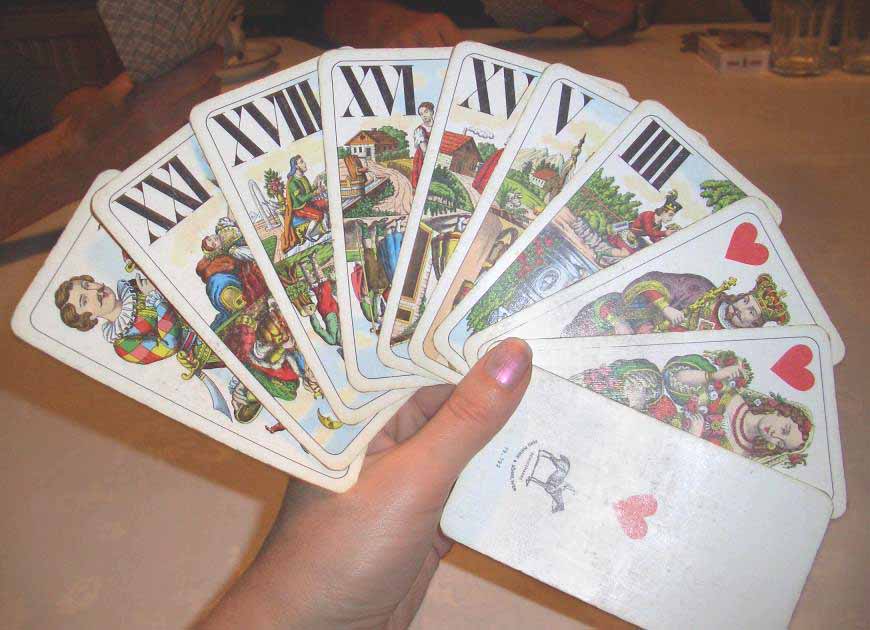
filled with smoke
when I came
in. They all
looked up at
me: Frank Fatigue,
Bob Balance, Steven
Speech. Travis Tremors,
Brian Brain Fog.
Sergio Spasm was
there too as
well as two
other shadowy shapes.
I looked at
all of them
and wished all
of them away.
Seven could see
the look of
distaste I wore.
“Come on, don’t be that way. Take a seat. We’re playing poker.”
I grumbled something
about needing a
cup of tea,
but Brian waved
a hand at
me. He let
out a laugh.
“Come on, it won’t take long. We’ll make it a short game. What’s the harm?”
The harm was
that I didn’t
like any of
them, that I
wanted all of
them to go
away and leave
me as I
was, as I
had been. Brian
was especially perceptive,
and I knew
he could read
my mind, having
shared so much
of it with
me. He nodded.
“We don’t like it much either. You’ll have to take that up with Max Shadow.”
One of the
shadow shapes moved
into the light
and I saw
Max Shadow for
the first time.
He was thin
with pallid skin
and long greasy
hair. He looked
like what I
imagined Flagg from
the Stand would
look like. He
smiled at me.
“Did someone say my name?”
He said, his
voice as oily
as his hair.
The other shadow
moved into sight
and I saw Cedric
Paulson for the
first time. He
looked like me
from a younger
age, but stretched
into adulthood, as
if he was
not fully in
control of his
thin limbs. He
looked as if
a stiff wind
would knock him
over and his
hands were shaking.
“Well, if you’re playing, so am I.”
He said. His
voice sounded unsure
of itself, as
if he was
not used to
standing up for
himself. He sighed
and his shoulders
dropped, though the
rest of him
still shook slightly.
“That is, if there’s room.”
“Of course there’s room.”
Travis said. His
voice was cheerful,
even though it
shook. He gave
me a smile.
“Come on, we saved a seat just for you.”
Sergio motioned with
his hand, also
smiling at me.
“Come on, it’s a good seat. Look, I have a cup of tea right here.”
He reached for
a cup on the
table, but back
chose that moment
to seize up
and when he
spoke next, it
was with obvious
pain. I motioned
to Sergio flippantly.
“Will he be all right?”
Max Shadow gave
me an oily
smile and a
small mirthless laugh.
“Of course he will. You’re okay, aren’t you?”
I didn’t know
how to answer
that question, so
moved through the
fog of smoke
and took my
seat. They watched
me as if
afraid I would
bolt from my
chair and run
from the room.
They all puffed
smoke out of
their mouths. I
did not, but
watched as the
smoke formed animals,
like each one
of them had
a Patronus of
some kind, an
animal that represented
their force. I
coughed and waved
my hand through
the smoke. Cedric
let out a
laugh and passed
me the deck
of cards. He
motioned to me.
“It’s your turn to deal.”
I took the
cards in my
hand and went
to shuffle them.
It was then
that I saw
they weren’t playing
cards. They were
tarot cards. I
looked up at
all of them,
not understanding. They
looked back at
me. Finally, from
inside a cloud
of smoke, Max
Shadow spoke softly.
“The game is simple, really. Draw five cards and see what they have to say.”
“What kind of poker is this?”
“Well, the stakes are a little high, I’m afraid.”
He smiled, his
teeth shining through
the smoke, and
held out his
hands to the
side, as if
to say mea
culpa. He motioned
to the cards.
“You just have to see what they say. We’ll all be playing along with you.”
“How is that possible?”
“We’re part of you and anything is possible. Haven’t you figured that out by now?”
I blinked my
eyes and they
were gone from
the room. However,
I could feel
them in me:
Frank, Bob, Steven,
Travis, Brian, Sergio.
Max and Cedric
were there too.
They were all
looking through my
eyes. I sighed
and shuffled the
cards, thinking my
question silently. I
closed my eyes,
just for a
moment. Then I
drew three card
and looked down
at what the
cards had to
say.
Skin Chrysalis – A Poem
It was the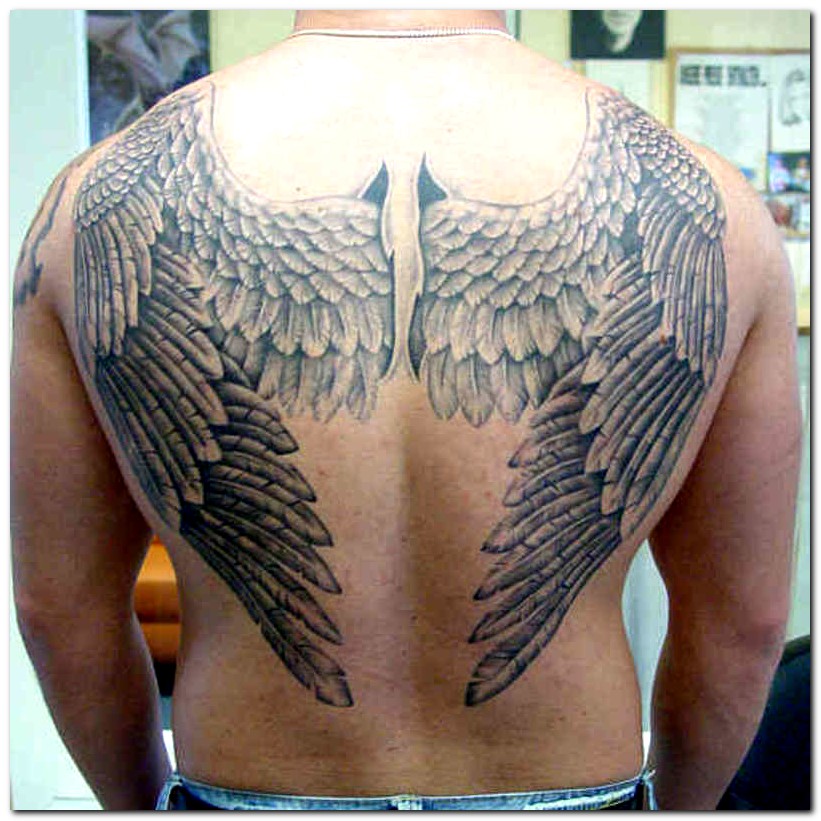
same every year.
The day after
my birthday, a
thin crust would
begin to form
on my skin.
Throughout the year,
it would grow
tougher, as if
made from stone
or marble. It
would grow thicker,
It would become
more difficult to
move as the
year passed on,
harder to move
my body as
I wanted to.
The evening before
my birthday, the
crust would begin
to crack and
break, flaking off
and falling to
the floor. I
would sweep the
pile of dust
up off the
floor and place
it in a
small cloth bag.
I don’t know
why I kept
the dust, why
I held onto
- It felt
right somehow, like
I was expected
- This year
was different. The
layer of thickness
that covered my
skin began to
break and crack
the evening before
my birthday. However,
when the shell
that had made
a mould of
my body began
to break, it
slipped free to
reveal something different
about my body.
I had wings.
They were tattooed
along my skin
but if I focused
on flying, they
slipped out of
my skin and
would flutter in
the air and
I would rise
up a few
feet. When I
didn’t want to
fly, they would
rest once again
along my skin,
simple lines of
ink. I panicked,
wondering what was
wrong with me.
I gathered up
my cloth bags
of dust and
brought them to
a wise woman.
“Can you tell me what’s wrong with me?”
She looked at
the tattooed wings,
ran her fingers
along them. I
made the wings
flutter for her.
She then looked
at the bags
of dust. I
looked at her.
“This was not made from a shell as you describe.”
“What was it then?”
She looked at
me with eyes
that were a
deep, dark brown.
“It was a chrysalis.”
Her words sent
my wings fluttering
anew. It seemed
that they agreed
with her assessment.
“I don’t understand. It’s always been just a shell before. Why now?”
She put her
fingers in the
most recent cloth
bag and took
them out. Pinched
between her fingers
was a glittering
powder. She let
it trickle from
her fingers and
it glittered in
the soft light.
“Would a shell produce this? As to why now? Well, the butterfly goes through several stages. The Chrysalis is just one of them.”
I shook my
head in bewilderment.
“Why now?”
Her brown eyes
saw so much.
They saw right
into the core
of my heart.
“Because you were ready.”
“I don’t understand what I’m supposed to do.”
She laughed lightly
and the sound
was calming instead
of being jarring.
“Isn’t it obvious? What does a butterfly do when it leaves it’s crysalis?”
I shook my
head, not knowing
how to respond.
She simply said:
“It flies.”
Hallowed – A Short Story
 The world had been over for seven weeks when the rain began.
Percy could see it from his window. What’s more, he could hear it. The rain fell not with the gentle music of normal rainfall, but with a hot an acidic sizzle. Slowly, he put his hand out the window but drew it back twice as quickly.
Looking at his hand, he saw small red welts where the rain had struck his skin. Smoke rose fro the welts but he knew they wouldn’t last long. This wasn’t the first injury he had withstood since the world as he’d known it had come to a close.
He waited mere moments, a minute or two. Then his skin began to knit together. There was a stinging sensation and he watched the welts begin to lessen their red hue and then disappear all together.
Percy stood there looking at his hand, at what had been mauled skin only a moment before. Now his skin was unblemished and whole again. He sighed. He had always said that geeks would inherit the earth. He just wish he hadn’t been right.
The trouble had started off innocently enough: Floods off the east coast of China, a breakout of hurricane like weather in Japan. Then there had been reports of the mass deaths of animals in the Australian outback, whole herds dying as one. First the marsupials then the mammal’s had started dying off.
Leaders of the world were approached for a cause or a reason behind what was surely some sort of disease. The religious groups started talking about a new set of plagues that had come to wipe the earth clear of everything that the gods found unfitting. They were all wrong. No one knew what was causing any of the disasters.
Then the weather problems jumped from Japan and China and found their way towards Niger, Guinea and Mali. Temperatures increased to the point where people would bake alive if they remained outside for longer than ten minutes, houses were set alight just by the rays of the sun.
Then people started dying out in Nigeria. They could find no reason for the illness, only that they were well one moment and then ill the next. They started talking on tongues first and then just screaming in wordless syllables. The self-mutilation would begin next, with people carving strange symbols in their skin. That was the last step before the people began to bleed from their eyes, as if they were crying out their souls. Then they perished. The whole illness took less than seventy-two hours to reach full effect.
Reports of this new disease were far reaching from Poland to Egypt to Sudan. There was no rhyme or reason to how or why it struck and the religious folk started saying that it was the end of days. Watching everything unfold, Percy was left with no choice but to agree.
The panic really began when the first unexplained death happened in Argentina. The man, a scientist by the name of Hector Chavez, went to work to study the weather patterns off of the cost of South Africa. He never left work. He started talking in tongues and within less than twenty four hours, had cut strips out of his skin shaped like a triangle with a small dot in the centre.
Looking at the dot, carved out of Hector’s flesh, Percy hadn’t known what to make of all of this. When he died, the animal herds of Argentina had begun to die quickly. The illness or plague had jumped continents and had come to South America. If a plague could move across water, there was no stopping it. Reports started to come in of illness and deaths in Iceland, Greenland and the Arctic. It seemed that temperature had no effect. It always behaved the same.
That had been around the time that Percy had woken one morning with a mark upon his skin. He had watched it grow as the days passed and panic began to reach a fever pitch. It was a few pale lines at first, as if someone had etched them underneath his skin.
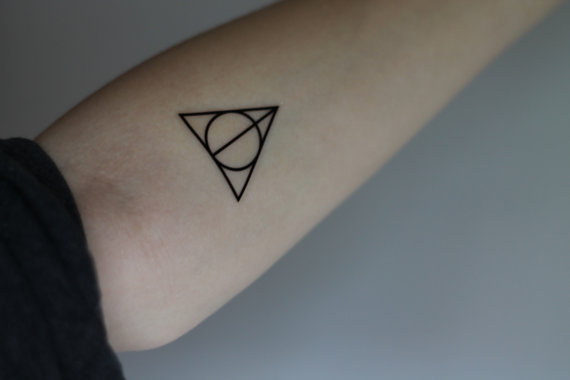
In three days, it showed itself for what it was: a triangle, nine inches in diameter, with a circle in it’s centre three inches across. Percy tried to think of where he’d seen the symbol before and could only think of the mark the people with the sickness had carved in their own skin.
He fully expected to die in a matter of hours. However, he didn’t feel sick or feverish. Instead, he experienced a surge in health that he’d never had before. He’d smoked all of his life and his breathing had always been poor. He had constant pain in his back and legs, but that melted away and his breath improved.
As his health continued to improve, the mark on his skin changed once more. A thin line ran down the centre, from the point of the triangle to the base. He wracked his brain to think of where he had seen the symbol before, but his memory still came up empty. Even now, with all the people in the world gone except a few, he was no closer to figuring out the symbol.
When the scientist and doctors could find no reason for any of the catastrophe’s, and then perished from the illness themselves, everything went to shit. The plague and the weather disasters now spanned the world over. Percy had known then that there was no hope for the future. He had shut himself in the top floor of an apartment building. He supposed it was the penthouse once upon a time. From his vantage point twenty five floors up, he could see others in other buildings, looking out their windows at a world they no longer understood.
Then, they too disappeared. He started to wonder if they had died or merely withdrawn from looking out at a world they didn’t understand. In less than a week, the whole world had gone to shit and Percy certainly understand why. Seven weeks that felt like seven months, seven months that felt like seven years. He felt as if he had aged three times over, had gone towards death only to be given a reprieve. For what, he didn’t know. He didn’t understand why he had been spared.
All he did now was ruminate on what the world had become. His only pleasure was found in the books that had been left behind by the previous tenants. Percy had always experienced a joy when he read, when he held a book in his hands. Now the books provided a refuge, a reminder that the world that he’d left behind was not without joy, not without anything to remember it by.
As the rain continued to sizzle outside of his window, he heard a sound outside of the apartment door. He put the book he had been reading aside, setting it down beside a cup of tea and went to the door. Listening, he heard footsteps. They had stopped just outside of his apartment door.
“Hello?” A voice said “Can you hear me? Please, I need help.”
The voice belonged to another man. Percy looked carefully out of the peephole and saw a bright hazel eye looking back at him.
“Please let me in. Please.”
It was the second please that did him in. Percy knew that there was little kindness left in the world as it was now. Slowly, he unlocked the door, but did not disengage the chain. He was willing to help someone, but he wasn’t entirely stupid.
The man was breath taking. Percy could see that even with the red splotches left on his skin from the rain. Even as he looked at him, he watched the red welts disappear like they had from his own skin. He was struck by how beautiful the man was despite the healing redness of his skin.
“You’re not sick.” Percy said, even though this was obvious.
“No, Nor are you.”
“No.” Percy said. “How did you find me?”
“Like calls to like.” the man said. He held out his left arm. Percy sucked in a breath. The man had the same mark upon his skin that he did, only in black instead of red. Intrigued, Percy reached out to touch the mark. When his fingers made contact, he felt a burning on his right arm. Looking down, he saw that the red mark on his wrist had turned black.
“What does this mean?”
“It means you’re one of them, too. One of us.”
“One of us? Who are we, exactly?”
The man gave Percy a small half smile. “We get well despite the sickness and the plague. Our bodies improve themselves day by day, leaving behind all traces of physical maladies. There are a few names those like us are calling us as a group: the blessed, the cursed, the survivors.”
He took a breath and Percy felt himself taking a breath, too. The man looked at him with those deep hazel eyes. “I like the other name some are using: the masters of death.” He whispered. “This will take time to explain. Would it be okay if I came inside?”
Percy nodded and unlatched the chain. As he did so, he felt that his life was beginning anew which seemed odd, given that it had taken the end of the world for it to happen.
When the door was fully open, the man held out a hand. “I’m Harry.” He said.
“I’m Percy.”
Harry stepped fully in the apartment and Percy closed the door behind him with the distinct impression that, somehow, another door was opening. All he had to do was step through it to find out what was on the other side…
Miracle Serums by Oz Naturals – A Review
 I have never put great stock into beauty products.
Sure, I use moisturisers and have made my own salves and balms before. I’ve used lip balms, facial masks and cleansers. Except for the organic items I made myself, I noticed no difference in my skin after using many high priced creams and toners and peels.
Thus, when Oz Naturals contacted me to see if I would review their products, I said of course, not expecting anything from the products themselves. I did some research while I was waiting for the products to arrived in the mail.
All of the reviews I read were highly positive. The products claimed to do what seemed impossible to me, given my previous experience with face creams and liquids: brighter, healthier skin with a radiant glow. It seemed too good to be true, really, but I was open to trying the serums.
The products I was asked to review were the 20% Vitamin C + Amino + Hyaluronic Acid Serum and the Hyaluronic Acid Serum + Vitamin C. The info on the packing states the following:
20% Vitamin C + Amino + Hyaluronic Acid Serum
When your skin is looking dull and unhealthy, no other product can provide the radiant glow our Vitamin C Serum delivers. It goes on light and absorbs quickly. Leaving your skin renewed and vibrant.
Hyaluronic Acid Serum + Vitamin C
Our HA serum deeply hydrates and plumps skin to diminish the look of fine lines and wrinkles. Also, rich with antioxidant vitamin C, this formula leaves skin soft, smooth, and rejuvenated.
Well, I can state the both products did all that was promised and more. In order to give each product a fair shot, I used the 20% Vitamin C + Amino + Hyaluronic Acid Serum on most of my face and neck. I used the Hyaluronic Acid Serum + Vitamin C underneath my eyes and on my facial lines.
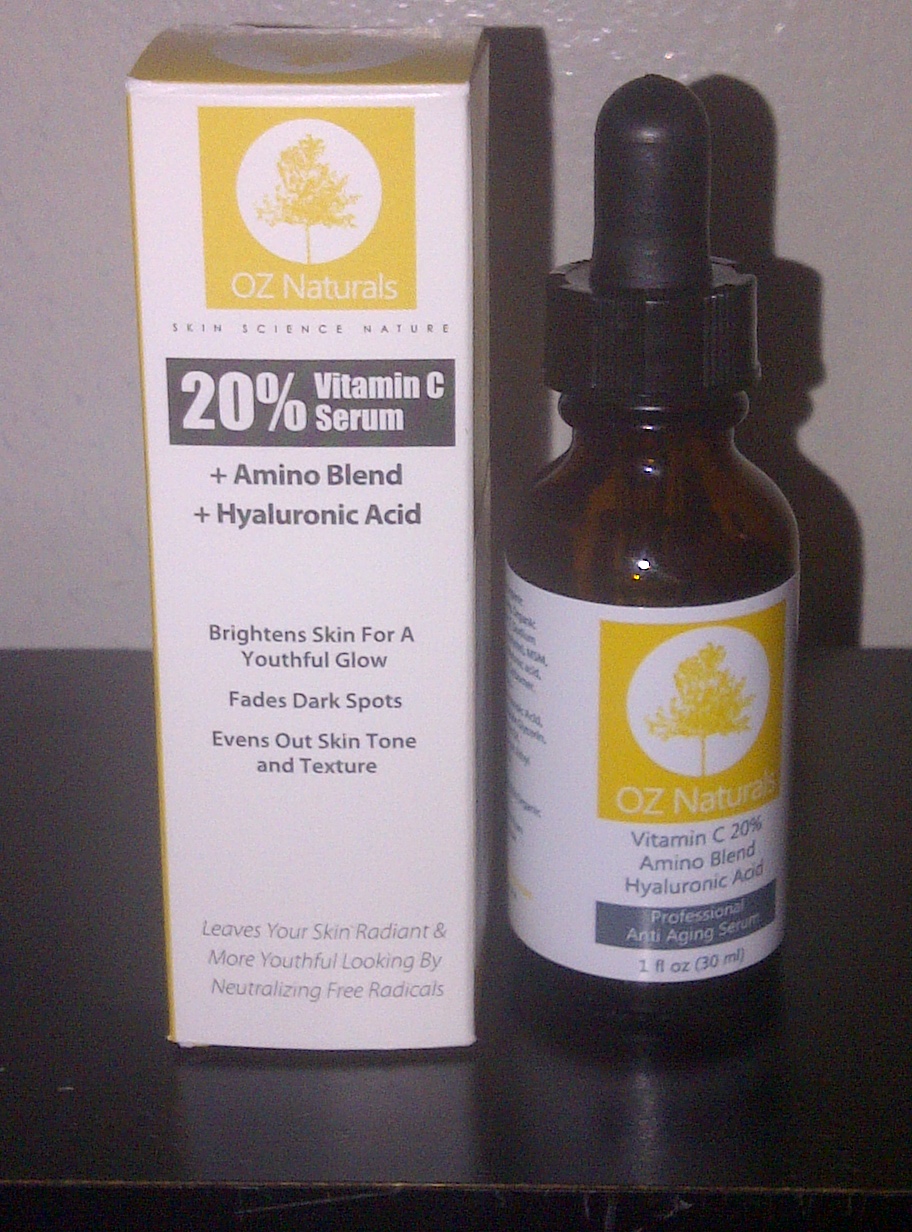 20% Vitamin C + Amino + Hyaluronic Acid Serum
My skin was dry and flaky before, with red patches. After only one use, my skin was brighter and more vibrant. It doesn’t sting at all and I could actually feel my skin tightening after each use.
It looks fuller and healthier and radiant. On another plus side, I can use the serum even after shaving with no redness or stinging or discomfort. Any lines I had have lessened or disappeared completely.
Hyaluronic Acid Serum + Vitamin C
I noticed two things in particular with this serum. I’ve had dark circles under my eyes for years that no amount of eye rollers or creams could get rid of. After one week, I noticed a reduction and now the dark circles are gone.
Even more than that: I have one facial scar along my nose that I sustained during an accident. The scar has gone down considerably and it healing at a remarkable pace, even though it’s several months old now. The redness has left the area around the scar and the skin there is looking healthy.
I also have a cyst underneath my left eye. I’ve had it for years and have even considered surgery to have it removed. The Hyaluronic Acid Serum + Vitamin C has made that thought unnecessary. The cyst has decreased in size and is almost gone now.
The Final Word?
I’m so impressed by the Oz Naturals serums that I wouldn’t just call them Vitamin C Serums. I would call them Miracle Serum’s.
They really do everything they promise they will. They’re made with vegan formulas so they are safe to use on your skin and work to repair your skin almost instantly and then over time.
I’m so impressed with the serums that I’m going to see what else Oz Naturals products are available and start taking more serious care of my skin. Beauty takes work, but I’m worth it and so are Oz Naturals.
Letting It Go – A Poem
The anger still
tries to raise
it’s ugly head
within me. When
the dragon roars,
it is as
if I am
viewing myself from
a distance above
my head, looking
down. I’m watching
myself and don’t
recognize myself, what
I become when
I’ve lost myself
in pure emotion.
I always come
back to myself,
so that I
can see out
of my own
eyes once more.
When I come
back to myself,
I look around
at the fires
that I started
with my own
breath, with my
wordless wails of
woe and rage.
Afterwards, I sit
and remember to
breathe. This time,
I need the
wind on my
face, the earth
under my feet.
I find a
bench by a
city street and
sit there, letting
the world pass
me by. I
begin to cry,
the tears sliding
down my face.
Soon, the tears
pool at my
feet. The puddle
begins to grow,
the tears forming
first a stream
and then a
river where the
road used to
be. The drivers
ride along the
waves as if
nothing is wrong.
I realize that
I am the
only one who
can see the
water. It’s waves
lap against my
feet. I hear
a voice inside
speaking softly, gently,
in my ear:
“Let it go.”
I open my
mouth and tilt
my head to
the sky. Leaves
pour out of
my mouth, each
of them pointy
and black in
colour. There are
tinges of red
along the edges.
As each leaf
leaves my mouth,
it rides along
the air for
a moment before
landing in the
water. The leaves
make ripples in
the water that
radiate outward. Soon
the water is
filled with leaves,
a sea of
them. As each
leaf hits the
water, I feel
lighter, as if
I’m regaining a
part of myself.
Soon, the flow
of leaves from
my mouth slows
and then stops.
I simply watch
as the leaves
are taken away
by the water
that only I
can see.

Buy Little Yellow Magnet from Amazon and Kobo!
Jamieson Wolf has written a compelling story about navigating multiple sclerosis and cerebral palsy. His story will touch your heart, make you cry, then laugh, and inspire you. A touching memoir with a bit of magic…and tarot! ~ Theresa Reed, author of The Tarot Coloring Book

